B.C. sets April 13 start for Gaming Control Act and independent regulator
New regulations aimed at money laundering and fraud create the Independent Gambling Control Office and raise many licensing fees.
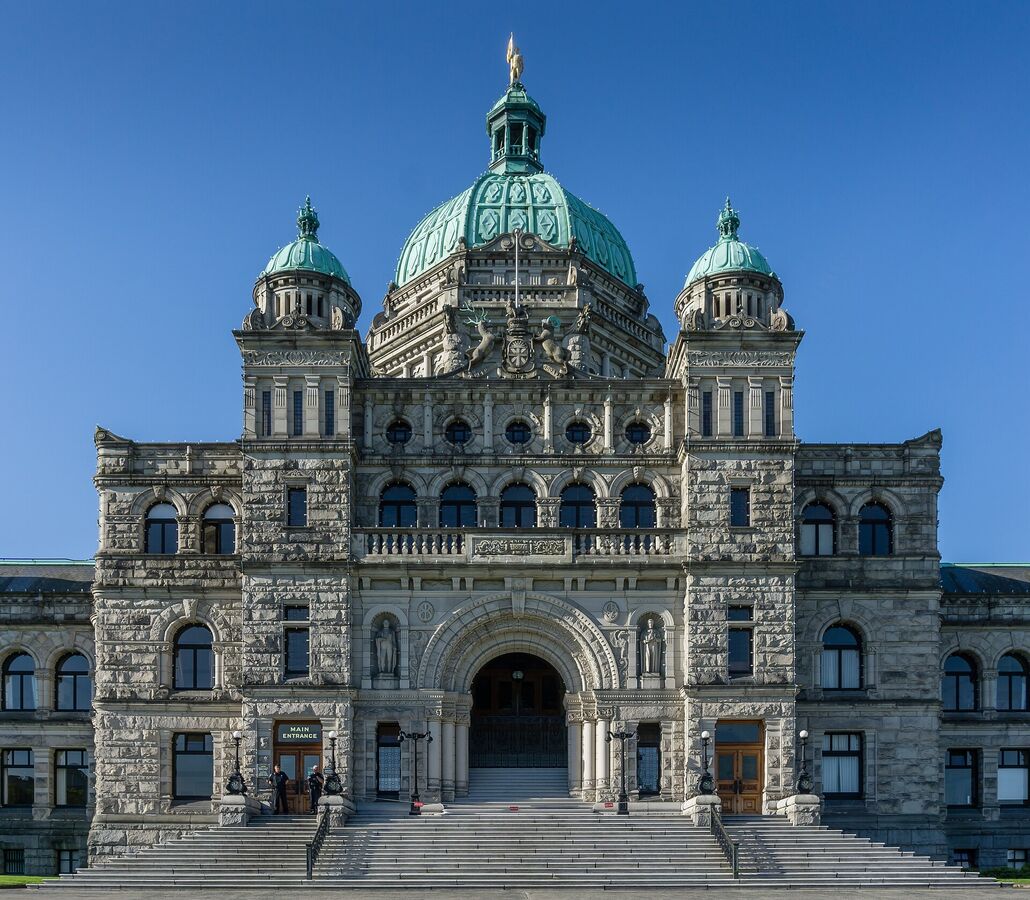

British Columbia has approved regulations to bring its Gaming Control Act into force on April 13, 2026, creating an independent gambling regulator the province says will be better equipped to fight money laundering and fraud.
The Ministry of Public Safety and Solicitor General announced the regulations on December 2, 2025. The act was passed in fall 2022 and responds to recommendations from Peter German's 2018 Dirty Money report and the 2022 Cullen Commission inquiry into money laundering.
"Money laundering is a serious issue in our province and across the country," Solicitor General Nina Krieger said in a statement.
A new regulator
The Gaming Policy and Enforcement Branch will become the Independent Gambling Control Office on April 13. A general manager will make and enforce rules for gambling and horse racing, and the office will take responsibility for money laundering oversight.
The regulator will be able to issue directives to the BC Lottery Corporation without the minister's consent. It will use a standards-based regulatory model, and the act clarifies the roles of the regulator and BCLC. The office will oversee BCLC gaming, charitable gambling and horse racing, and will continue to run Gambling Support BC.
The province said new requirements will help prevent and detect money laundering and other unlawful activity in casinos, as well as problem gambling.
Higher fees
The fee structure had not been updated in more than 15 years. Fees for gaming facilities will be based on revenue rather than slot machine counts, with a 20 per cent increase for facilities earning up to $100 million. Bingo hall fees will rise 25 per cent. Registration for gaming workers will go from $45 to $150 every three years.
Horse racing track operator fees will rise from $5,000 to $6,285. The province said charitable gaming fees recover only about 14 per cent of regulatory costs. They will move to a sliding scale, from $25 for events under $5,000 in revenue to $500 for events over $250,000.