Manitoba remains open to a First Nations casino in Winnipeg, but no plan yet
Premier Wab Kinew's government has signalled openness to a First Nations-run casino in the capital, though no site, licence or timeline exists.
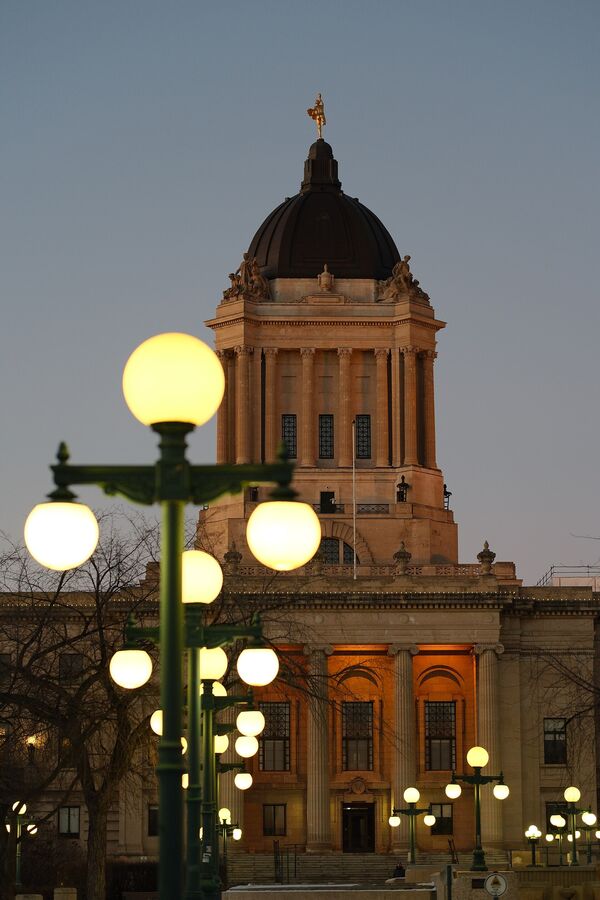

Manitoba Premier Wab Kinew's government remains open to a First Nations-run casino in Winnipeg, but the idea has not moved beyond that signal, TribalGaming.com reported.
No site has been chosen, no licence has been issued and no timeline has been set. Any project would need site selection, regulatory review and a negotiated revenue-sharing deal.
A long-closed door
Kinew first said he was open to the idea in December 2023, shortly after his NDP government took office, according to The Canadian Press. Earlier governments had resisted a First Nations casino in the city, citing market saturation and the effect on provincial gaming revenue. A later Progressive Conservative government paused new gambling facilities, and Kinew's government lifted that pause.
Manitoba has six First Nations casinos and two provincially owned properties. None of the First Nations venues is in Winnipeg, which has a much larger population and tourism draw than the rural markets they serve.
The Naawi-Oodena option
Discussion has focused on Naawi-Oodena, a 64-hectare urban reserve on the former Kapyong Barracks site. It is held by seven Treaty 1 First Nations: Brokenhead, Long Plain, Peguis, Roseau River, Sagkeeng, Sandy Bay and Swan Lake. The land became reserve in December 2022. Its name means "centre of the heart and community" in Anishinaabemowin, and its first business, a gas station and convenience store, opened in June 2025.
In a July 1 report, TribalGaming.com said the province had not committed to any project, but officials had indicated a proposal tied to Naawi-Oodena or other urban Indigenous economic zones would be taken seriously.
An urban site would offer a large customer base and a labour pool big enough to staff a full resort. It would also bring more competition for the province's own Winnipeg casinos.
Key questions remain open, including who would own the venue, how proceeds would be split and which regulator would oversee it. In Canada, First Nations casinos operate under provincial licences and revenue-sharing agreements.