Ontario First Nations' gaming share may miss growing hotel and dining income
The 1.7% share paid to about 130 First Nations is tied to OLG revenue, and newer casino deals may keep non-gaming income outside that base.
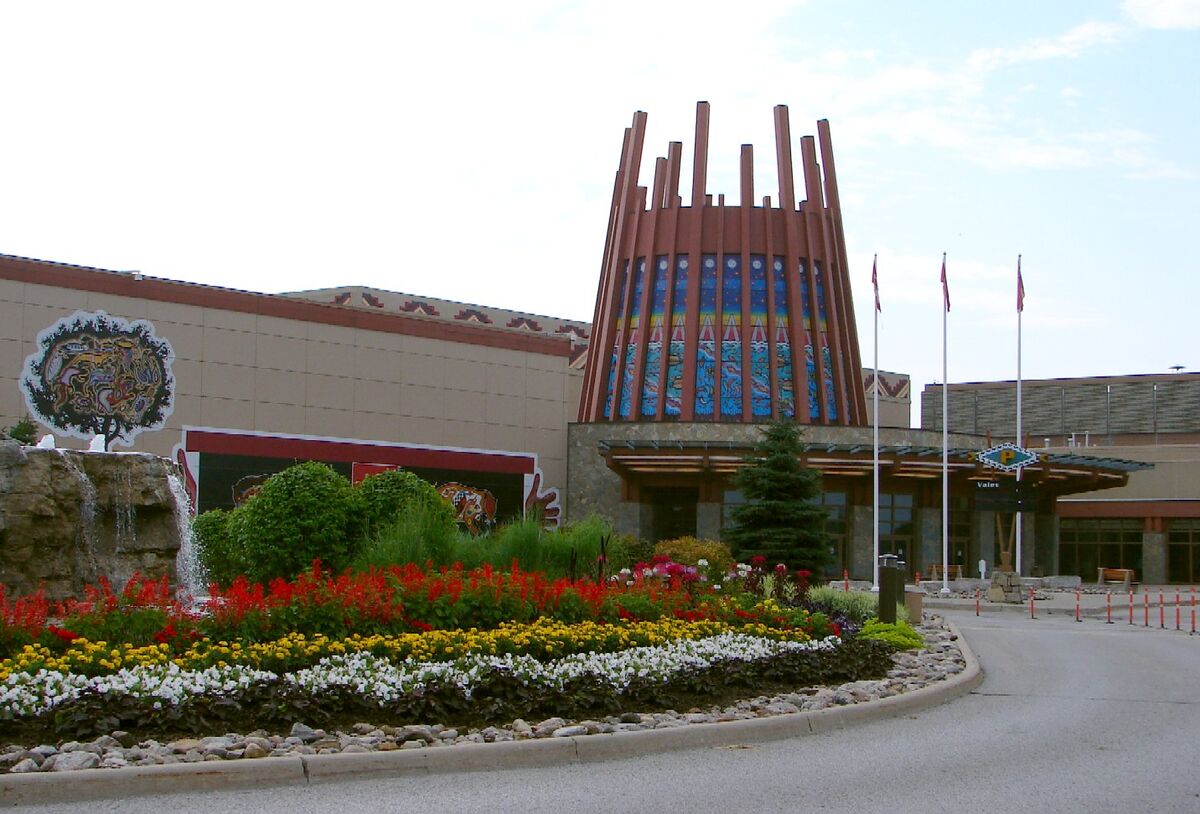

Ontario First Nations could be receiving a shrinking slice of casino earnings as hotels, restaurants and entertainment take a bigger role in the business, according to an analysis by TribalGaming.com.
The Ontario First Nations Limited Partnership (OFNLP) receives an amount equal to 1.7% of the gross revenue of the Ontario Lottery and Gaming Corporation (OLG). That money is shared among roughly 130 First Nations in the province.
Where the revenue goes
Over the past decade, Ontario moved from running casinos directly to having private operators run bundles of casinos under long-term agreements.
The report says that under newer deals, much of the non-gaming revenue, from hotels, dining and entertainment, stays with the operators. It does not flow through the OLG revenue base used to calculate the 1.7% share.
Operators are investing heavily in those amenities, so non-gaming income is becoming a larger share of what casinos earn. The formula was written when that income was smaller. As a result, it may now cover a shrinking part of total casino business.
The article notes that the percentage itself has not changed. What has shifted is the definition of the revenue it applies to.
Possible fixes
The analysis describes the Ontario model as one of the more generous province-wide arrangements in Canada, because it is tied to broad gross revenue rather than to individual sites. Other provinces watch it closely, so any change could shape revenue-sharing talks elsewhere.
It outlines three paths. The OFNLP agreement could be amended so the shared base explicitly includes a defined portion of non-gaming revenue. The percentage could be raised to make up for a narrower base, which the report calls a blunter fix. Or the current arrangement could stay in place, which the report sees as the least satisfactory outcome for First Nations, because the shared pool would slowly drift away from how casinos actually perform.
The analysis does not name specific casino bundles or operators, and it quotes no officials from OLG or the OFNLP.