Ontario's $35M a year racing top-up draws criticism as wagering falls
The five-year package lifts public support for horse racing to as much as $155 million a year while betting and attendance figures keep sliding.
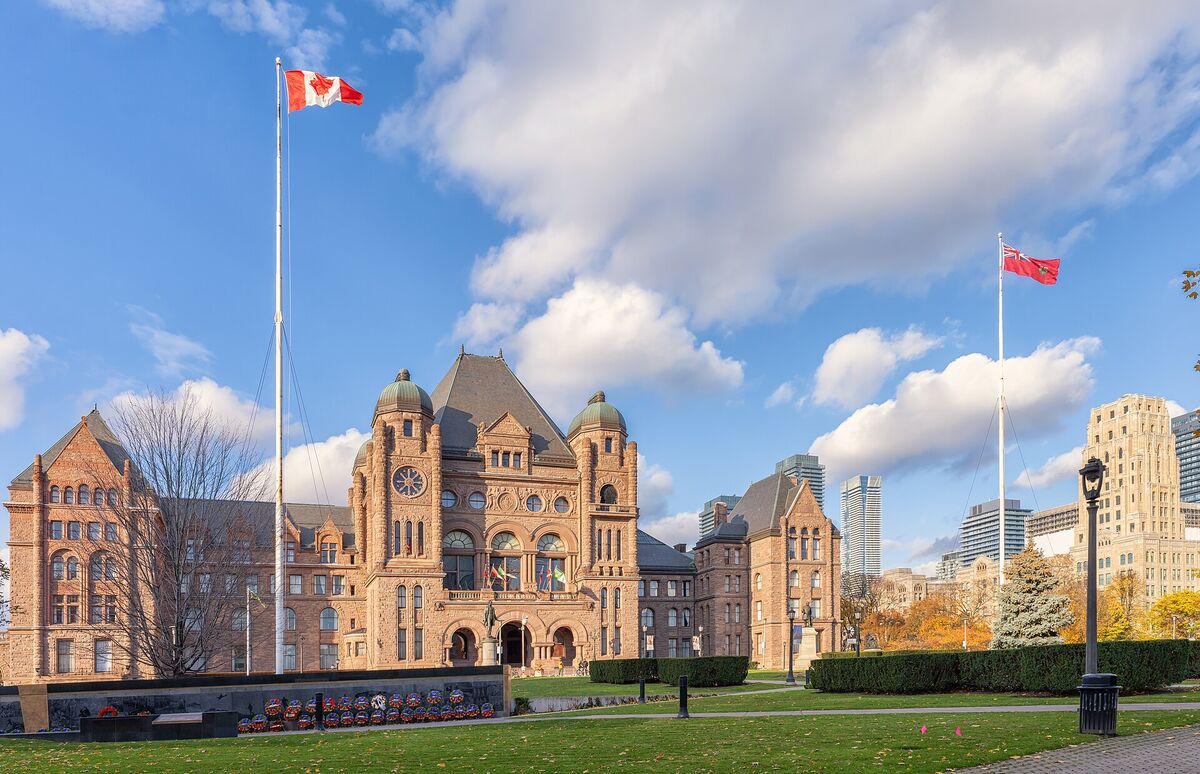

Ontario will spend an extra $35 million a year for the next five years on its horse racing industry, raising the total annual public contribution to as much as $155 million, according to a report in the Western Standard.
The $175-million package was set out as the fifth amendment to the industry's long-term funding agreement with the Ontario Lottery and Gaming Corporation (OLG). It was finalized in late June after months of negotiations within the industry. About 80 per cent of the new money is earmarked for breeders and racing participants, including purses and breeders' awards.
Industry groups say racing supports nearly 18,000 jobs, generates more than $1.9 billion in economic activity and contributes about $330 million in provincial taxes. They point to inflation of roughly 25 per cent since the original agreement was signed eight years ago as a main reason for the increase.
Declining numbers
The report notes that key measures continue to fall. At this point last year, the amount wagered on live racing was down almost 12 per cent from the year before, and tickets sold at tracks had dropped more than 16 per cent. A 2019 auditor general report found wagering had already fallen 44 per cent since 2009, with more than half of the industry's revenue coming from government sources.
The deal was held up for months because Woodbine Entertainment wanted a larger share of the $35 million, which created tension with other tracks and breeders.
The final agreement includes language saying the industry is expected to take more responsibility for becoming self-governing and sustainable. The Western Standard reads this as a sign the province does not want to provide another large infusion when the five years are up.
Critics quoted in the coverage say public support for racing was first described as transitional help to let the industry stand on its own. They argue the taxpayer contribution has instead grown while attendance and wagering have declined. The spending comes as the Ford government faces pressure over restraint in other areas, including post-secondary education and health care.