Belleville receives $720,976 for hosting Shorelines Casino
The fourth-quarter OLG payment brings Belleville's 2025-26 total to just over $3 million and its total since 2017 to $25.4 million.
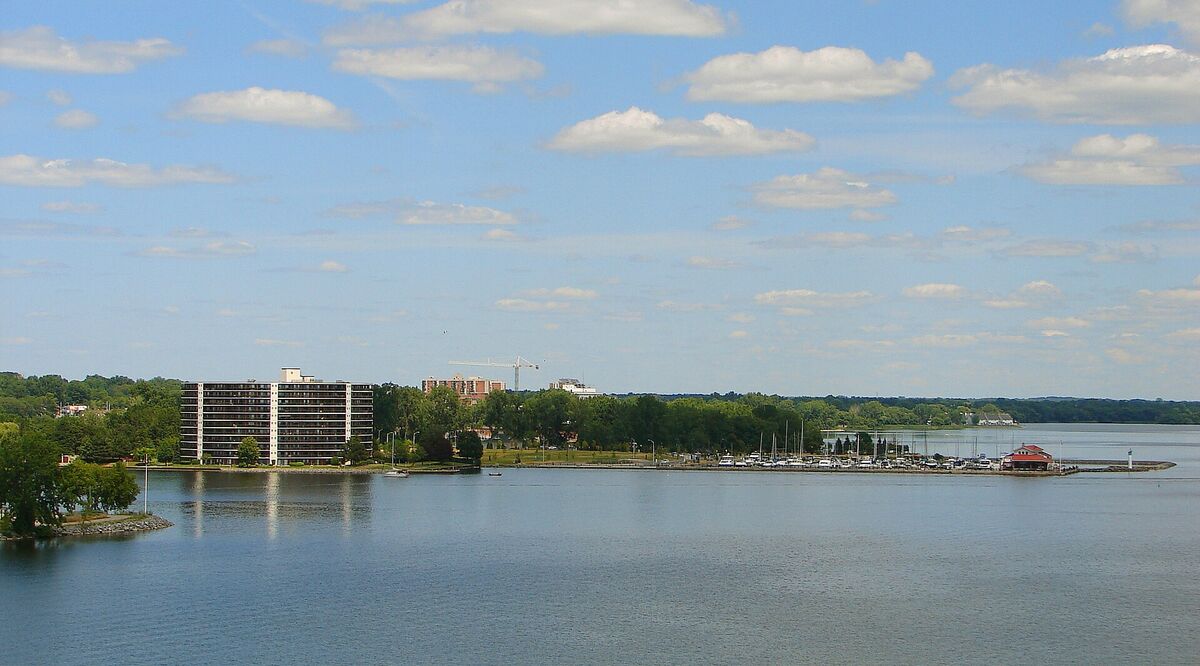

The City of Belleville has received $720,976 from the Ontario Lottery and Gaming Corporation (OLG) for hosting Shorelines Casino Belleville.
The payment covers the fourth quarter of OLG's fiscal year, from January 1 to March 31, 2026, InQuinte reported. It is smaller than the $745,728 the city received for the October to December quarter.
Over the full 2025-26 fiscal year, which ran from April 1, 2025, to March 31, 2026, Belleville received $3,092,266 in hosting payments. Since the gaming site opened in January 2017, the city has received $25,415,851.
Every Ontario host municipality is paid under the same formula. It uses a graduated scale based on the gaming revenue earned at the site it hosts. Payments are made each quarter. Host communities across Ontario have received almost $2.4 billion in non-tax gaming revenue since 1994, according to the report.
Tyler Allsopp, the MPP for Bay of Quinte, said "OLG shares revenues with host gaming municipalities" so they can pay for local priorities such as community services and infrastructure. He described the payments as part of the provincial government's commitment to supporting municipalities.
In January, when the third-quarter payment was announced, Allsopp said 100 per cent of OLG profits are reinvested in communities across Ontario. OLG has also said that, over nine years, gaming service providers invested more than $2.9 billion in private capital across the province, including seven new casinos.
Where Belleville puts it
Belleville places the money in a dedicated reserve fund, according to OpenCouncil, which tracks municipal programs. Under rules updated in 2025, 65 per cent goes to infrastructure maintenance and repair, 10 per cent to grants for non-profits through a social infrastructure program and 10 per cent to healthcare, including physician recruitment.
The remaining 15 per cent is split evenly among vehicle and equipment replacement, economic development and growth-related infrastructure. The 2025 changes cut the economic development share from 10 per cent and dropped a 5 per cent disaster contingency allocation.